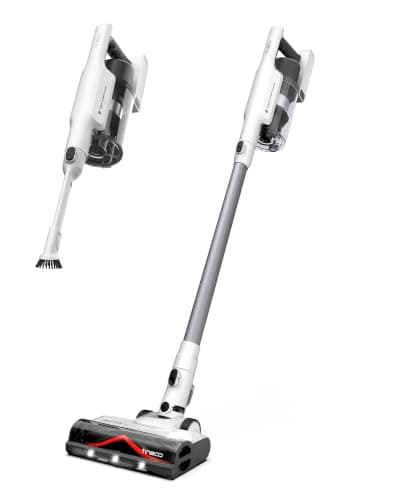
Best budget cordless
The best budget cordless vacuums
Seven cordless sticks under about $250, ranked on published bin size, weight and battery serviceability rather than on marketing suction figures.
Top pick: Tineco A30S Cordless Vacuum

Category
The runtime number on the box is measured at the handheld, in the lowest mode, with no brushroll attached. Here is what the specifications say once you read the footnote.
Best budget cordless
Sixty minutes on the crevice tool and forty with the powered head, published separately — and 67 dB, which is the quietest figure on this page.
We earn a commission if you buy through the links on this page, at no extra cost to you. It never changes what we recommend or the order we recommend it in. Full disclosure.
Almost every cordless vacuum in this price band publishes the same headline: forty minutes. Shark's IX141, IY143H, IZ362H and IZ376H all say 40. Bissell's PowerClean 4173 says 40. The Dyson V8, which costs several times as much, also says 40. If runtime is the number you are shopping on, you are shopping on a number that does not separate these machines at all.
What does separate them is dust cup capacity, and it varies by a factor of nearly four across machines with identical runtime claims. The Shark IX141 holds 0.34 quarts. The IZ376H holds 0.79. The Tikom V500 holds 1.3 liters. In practice that is the difference between stopping three times to empty during one clean and stopping once — and the interruption people actually complain about after a month of ownership is emptying, not charging.
There are really three machines being sold under one label. Lightweight hard-floor sticks (the Vacmaster VSD1001 at 4.4 lb, the Eureka Blaze at 2.8 lb corded) are for crumbs, stairs and cars — they have little or no brushroll agitation and will disappoint on pile. Full-size cordless sticks (Shark, Levoit, Tineco, Bissell, Tikom) are the mainstream buy: 5 to 8 lb, a driven brushroll, and enough battery for a floor or two. Corded uprights and canisters (Shark's NV356E, Bissell's CleanView line, Eureka's PowerSpeed) still exist for a reason, and it is the reason the rest of this site keeps coming back to: they have no battery to replace.
That last point is the whole cost argument. A cordless vacuum's battery is a consumable with a finite cycle life, and most manufacturers in this band do not publish a cycle rating at all. When the cell fades, a machine with a removable battery — the Shark IZ362H, the Tikom V500 — can be revived for the price of a cell. A machine with a sealed battery becomes landfill. That single spec is worth more over five years than any suction figure on the box.
| Price step | What you gain | What stays the same |
|---|---|---|
| Under $80 | A corded machine with unlimited runtime and no battery to replace | Nothing is cordless; you move the plug |
| $80-$150 | Cordless, a driven brushroll, a real bin | Suction is rarely published in any comparable unit |
| $150-$250 | Anti-tangle brushroll, floor detection, HEPA sealing, a bigger bin | Runtime stays at roughly 40 minutes |
| $250+ | Build quality, a published air-watt figure, a 2-year warranty, long-term parts | The floor still gets equally clean |
Compiled from the published specifications of every machine reviewed on this site.
The pattern is consistent: the money above about $150 buys durability, filtration and hair management — not minutes and not, as far as anyone publishes, suction. Dyson's V11 Origin is the only machine on this site that publishes a figure in air watts (185 AW), a unit you can actually compare. Everyone else publishes pascals, or motor wattage, or nothing at all, and none of those tell you what reaches the floor.
They buy on the pascal number. A listing shouting 55,000 Pa looks like it must out-clean one claiming 40,000. But pascals measure sealed static pressure at the motor inlet, brands measure it differently, and none of them publish their method — so the figure is not comparable between manufacturers and barely comparable within one. A 450 W Tikom motor and a 181 W Shark motor are not four times apart in cleaning; they are measured differently.
The second mistake is buying a heavy machine for a job that is mostly above the floor. If your real complaint is stairs, upholstery and the car, a 7.9 lb stick with a big bin is the wrong answer and a 4.4 lb machine or a canister is the right one. Read the weight before the suction claim.
If you want the shortest path to a decision, start with the budget cordless roundup — it ranks the mainstream picks with live prices. If your floors are wood, the hardwood roundup is the more specific answer; if they are carpeted, the carpet roundup is, because carpet is the one surface where a driven brushroll decides everything. If the house is half of each, the hardwood-and-carpet roundup covers the machines that publish a way to switch between them. If somebody reacts to dust, the allergy roundup ranks on which brands name a filtration test standard; the stairs roundup solves the job every upright is worst at; the apartment roundup leads on the decibel rating nobody shops on; and the long-hair roundup covers the machines that publish an anti-tangle brushroll. Choosing between the two brands on this shelf is Shark versus Bissell, and Bissell versus Dyson runs the same test against the flagship. Four close reads of specific machines sit here too: the Shark Navigator review, the Bissell CrossWave review, the Tineco A30S review, which takes apart the most complete spec sheet on this shelf and the four figures Tineco leaves off it, and the Eureka Whirlwind review, which explains why one cheap bagless canister wins eight of our rankings and why it never wins a carpet page. For carpet deep enough that the head seals to it, shag carpet ranks on height adjustment; for a beach house, sand treats filtration as a durability question rather than an allergy one. If the mess is crumbs rather than dust, floor sweepers and electric brooms covers the lighter machines that sit between a broom and a vacuum - and explains which of them have no suction at all. Three more specific answers were added in September 2026: corded stick vacuums for the stick shape without a battery, tile floors where a brushroll scatters more than it collects, area rugs where it can damage a fringe, and cat litter, which is heavy grit and fine clay dust at once. Choosing between Shark own two upright lines is Navigator versus Rotator. If somebody in the house reacts to dust, the bagged roundup ranks the uprights and canisters that seal the dust in a bag, and says which of them back that up with a filtration figure. If the messes are counters, stairs and the couch rather than floors, the handheld roundup ranks the hand vacs on charge time against runtime and on whether the pet tool actually turns. If the vehicle is the problem rather than the house, the car vacuum roundup covers the hand vacs, 12-volt machines and small wet/dry vacuums that fit a car interior. If you would rather pull a machine behind you than push one, the canister roundup ranks the shape that keeps its weight on the floor — and names the only one of them with a motor in the floor tool. If the hard floors need washing as well as vacuuming, the wet/dry vacuum mop roundup ranks the cordless floor washers that do both in one pass. If you are trying to decide whether to go cordless at all, cordless versus corded does that arithmetic in full, and our method explains exactly what we can and cannot tell you from a spec sheet. Four pages were added in October 2026: how to choose a vacuum runs the whole decision as five questions in order; can you vacuum up water answers the question people ask with a puddle already on the floor, and names the machine class for each kind of water; Shark HydroVac versus Bissell CrossWave settles the two floor washers buyers get stuck between; Tineco versus Shark compares the two brands on what each one publishes rather than on suction claims neither explains; the Levoit Anti-Tangle review reads the only machine here that states runtime three ways; and the best vacuums for seniors ranks on carried weight, push effort and trip hazard rather than on suction.
38 pages. Roundups carry a live price and a buy link for the top pick, so you can act from here without digging.
Best budget cordless
Seven cordless sticks under about $250, ranked on published bin size, weight and battery serviceability rather than on marketing suction figures.
Top pick: Tineco A30S Cordless Vacuum
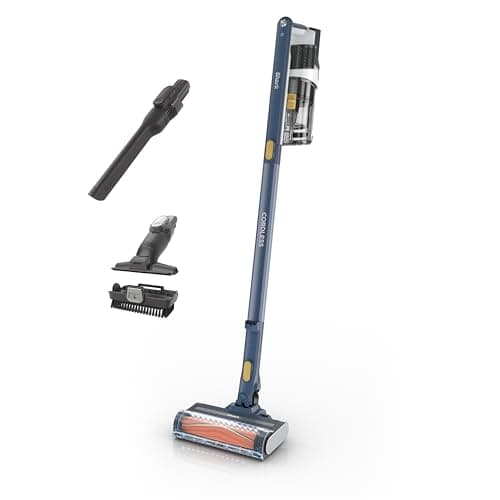
Best for pet hair
Cordless vacuums ranked for shedding households on published anti-tangle brushrolls, sealed filtration and bin capacity.
Top pick: Shark Cordless Pet (IY143H)
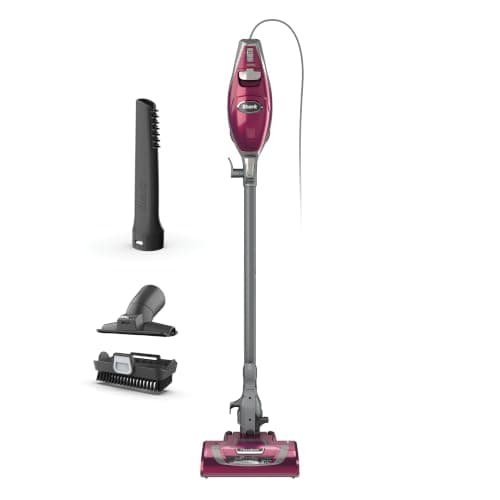
Best for hardwood
Vacuums for bare wood floors, ranked on scatter control, low-profile head design and filtration rather than raw suction.
Top pick: Shark Rocket Pet Plus Corded Stick (HV322)
#ad Price as of October 17, 2026. How we are funded
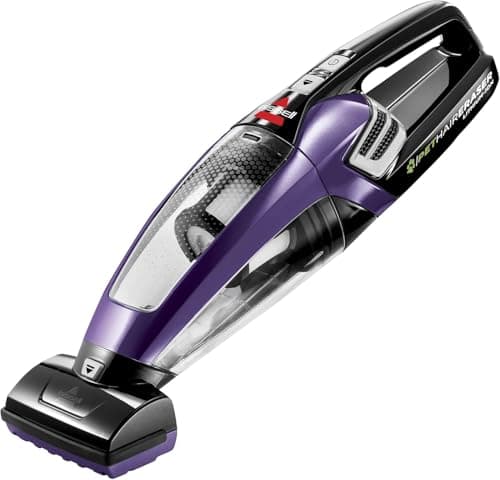
Best for cars
Eight cordless, 12-volt and corded machines for a car interior, ranked on published runtime, charge time, bin capacity and whether anything on them actually agitates upholstery.
Top pick: Bissell Pet Hair Eraser Cordless Hand Vacuum (2390A)
#ad Price as of October 17, 2026. How we are funded
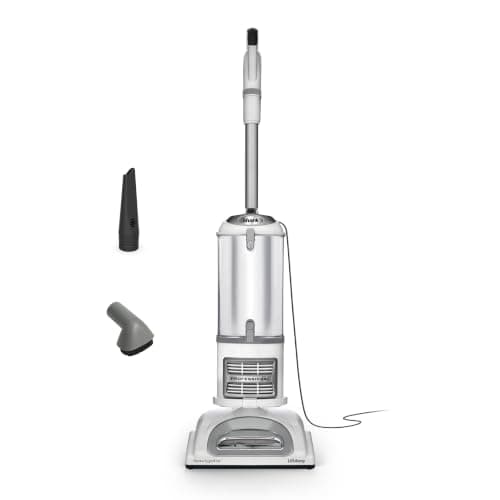
Best for carpet
Eight machines with a driven brushroll, ranked on published motor power, brushroll type, height adjustment and whether the filtration claim names a test standard.
Top pick: Shark Navigator Lift-Away (NV356E)
#ad Price as of October 17, 2026. How we are funded
Best for mixed floors
Eight machines for houses that are half hard floor and half carpet, ranked on floor detection, height adjustment and whether the brushroll can be controlled at all.
Top pick: Shark Navigator Lift-Away (NV356E)
#ad Price as of October 17, 2026. How we are funded
Best for allergies
Eight machines ranked for an allergy household on sealed filtration, whether the claim names a test standard, and what happens to the dust when you empty the bin.
Top pick: Shark Navigator Lift-Away (NV356E)
#ad Price as of October 17, 2026. How we are funded
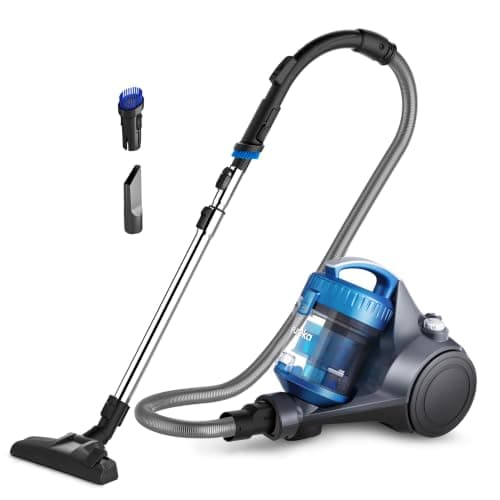
Best for stairs
Eight machines ranked on carried weight, published above-floor reach and whether the motor can stay on the floor while you work.
Top pick: Eureka Whirlwind Bagless Canister (NEN110A)
Best for apartments
Eight machines for small spaces, ranked on published noise, storage footprint and cord reach rather than on suction claims nobody can compare.
Top pick: Eureka Whirlwind Bagless Canister (NEN110A)
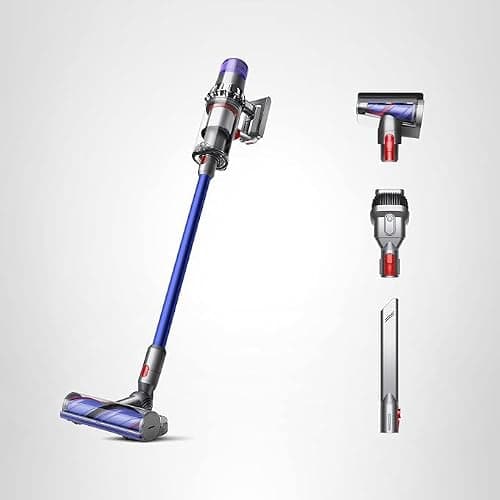
Best for long hair
Eight machines that publish an anti-tangle or self-cleaning brushroll, ranked on what each brand actually commits to in writing.
Top pick: Dyson V11 Origin Cordless Vacuum
#ad Price as of October 17, 2026. How we are funded
Best canister
Seven canisters from about $70 to the Miele flagship, ranked on published suction, working reach, filtration and whether anything on the floorhead actually turns.
Top pick: Eureka Whirlwind Bagless Canister (NEN110A)
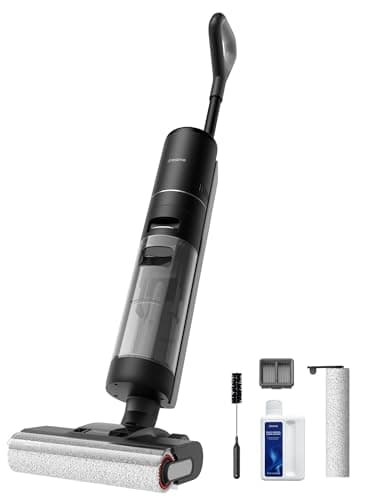
Best wet/dry vacuum
Seven cordless and corded floor washers ranked on published runtime, tank capacity, weight and warranty, with the power-figure contradictions on each listing written out.
Top pick: Dreame H12 Pro Wet Dry Vacuum (HHR25A)
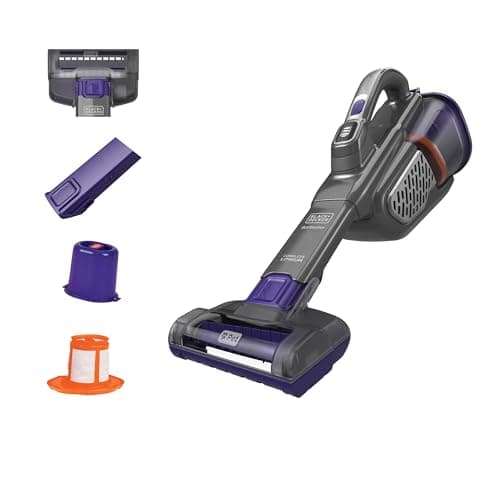
Best hand vac
Seven cordless hand vacs for counters, stairs, couches and car seats, ranked on published runtime, charge time, bowl size, weight and warranty — and on whether the pet tool is motorized.
Top pick: Black+Decker dustbuster furbuster AdvancedClean+ Pet Hand Vacuum (HHVK515JP07)
#ad Price as of October 17, 2026. How we are funded
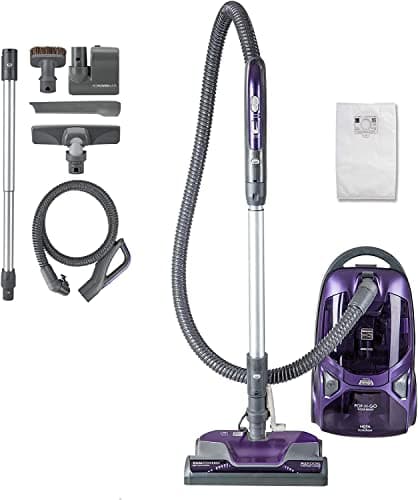
Best bagged vacuum
Eight bagged uprights and canisters ranked on published filtration, bag capacity, weight and the ongoing cost of the bag — including the one whose bag you never replace.
Top pick: Kenmore 600 Series Pet Friendly Bagged Canister (81615)
Best corded stick
Six corded sticks from under $50 to about $200, ranked on published cup capacity, cord length, weight and whether the filtration claim has a number behind it.
Top pick: Shark Rocket Pet Plus Corded Stick (HV322)
#ad Price as of October 17, 2026. How we are funded
Best for tile
Six machines for tile and grout, ranked on brushroll shutoff or bare-suction heads, sealed filtration and the published figures that decide grout-line pickup.
Top pick: Eureka Whirlwind Bagless Canister (NEN110A)
Best for cat litter
Six machines for tracked litter, ranked on sealed filtration, brushroll shutoff or bare-suction heads, and how cleanly the bin or bag empties.
Top pick: Eureka Whirlwind Bagless Canister (NEN110A)
Best for area rugs
Six machines for rugs over hard floors, ranked on published brushroll shutoff, height settings, suction control and the weight that decides whether the rug moves with you.
Top pick: Eureka Whirlwind Bagless Canister (NEN110A)
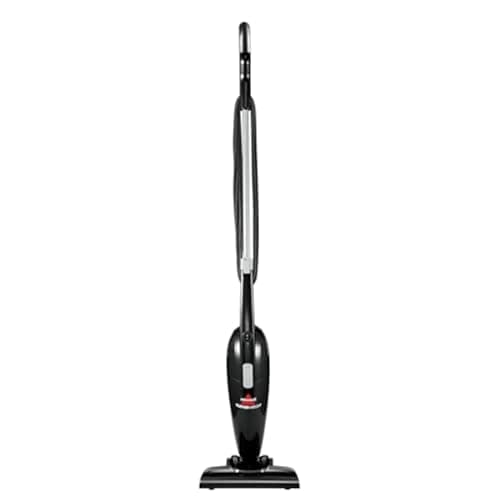
Best floor sweeper
Six sweepers and electric brooms from under $35, ranked on weight, bin capacity, published runtime and whether the machine has suction at all or only a brush.
Top pick: Bissell Featherweight Stick (2033M)
#ad Price as of October 17, 2026. How we are funded
Best for shag carpet
Six machines for shag and high-pile carpet, ranked on published height adjustment, brushroll control and the airflow that matters more than motor wattage on deep pile.
Top pick: Shark Navigator Lift-Away (NV356E)
#ad Price as of October 17, 2026. How we are funded
Best for sand
Six machines for sand and fine grit, ranked on sealed filtration, bin capacity, and whether the head scatters heavy granules instead of collecting them.
Top pick: Eureka Whirlwind Bagless Canister (NEN110A)
Best for seniors
Vacuums for older adults ranked on weight, effort, trip hazard and emptying — with the robot that removes the job entirely and the sweeper that costs almost nothing.
Top pick: Bissell Featherweight Stick (2033M)
#ad Price as of October 17, 2026. How we are funded
The arithmetic
What the Shark Navigator Lift-Away NV356E actually publishes, the figures Shark leaves out, and how the three Navigator models on this site differ from each other.
Top pick: Shark Navigator Lift-Away (NV356E)
#ad Price as of October 17, 2026. How we are funded
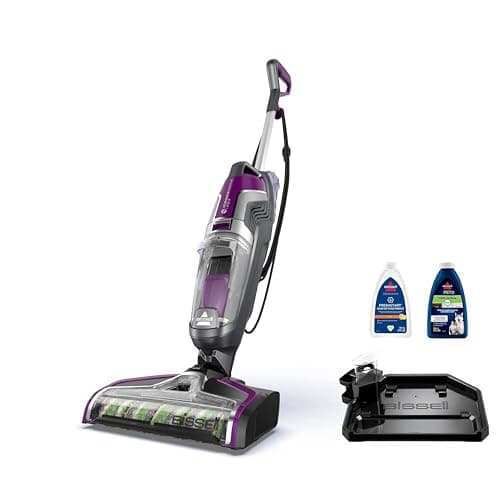
The arithmetic
What the corded CrossWave Pet Pro and the cordless OmniForce publish, the figures Bissell leaves out, and how both compare with the newer floor washers.
Top pick: Bissell CrossWave Pet Pro Wet Dry Vacuum Mop (2306A)
The arithmetic
What the Tineco A30S actually publishes, the four figures it leaves out, how it differs from the A20 and Tineco's wet/dry line, and when a Shark or a Levoit is the better buy.
Top pick: Tineco A30S Cordless Vacuum
The arithmetic
What the Eureka Whirlwind NEN110A actually publishes, why one cheap bagless canister wins eight of our roundups, the figures Eureka leaves out, and the single page it never appears on.
Top pick: Eureka Whirlwind Bagless Canister (NEN110A)
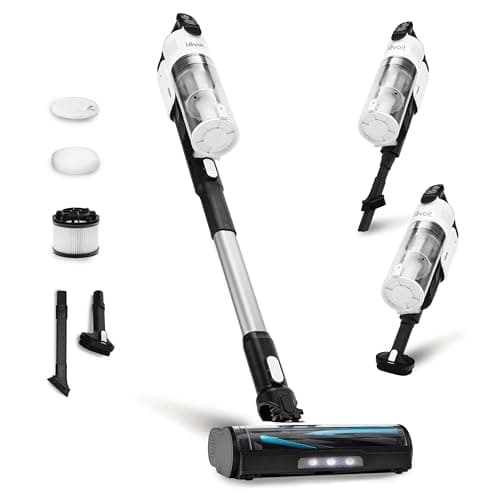
The arithmetic
What Levoit publishes for the LVAC-200 Anti-Tangle — the three runtime figures, the ASTM-named filtration, the 6.2 lb weight, the three-month filter bill, and who should buy a Shark or Tineco instead.
Top pick: Levoit Anti-Tangle Cordless Vacuum
Head to head
The head-to-head, on published figures only: where Dyson genuinely wins, where Shark quietly matches it, and what the delta actually buys.
Top pick: Shark Cordless Pet (IY143H)
Head to head
The budget contender that publishes the most numbers, against the flagship that publishes the most useful one.
Top pick: Tineco A30S Cordless Vacuum
Head to head
The head-to-head between the two brands this site recommends most, on published figures only: where Shark discloses more, where Bissell undercuts it, and what the gap is worth.
Top pick: Shark Navigator Lift-Away (NV356E)
#ad Price as of October 17, 2026. How we are funded
Head to head
Bissell against Dyson on published figures only: where the air-watt number is real, where Bissell publishes something Dyson will not, and what the gap costs.
Top pick: Dyson V11 Origin Cordless Vacuum
#ad Price as of October 17, 2026. How we are funded
Head to head
Shark's two Lift-Away lines compared on published hose reach, weight, cup capacity and filtration disclosure — and the one figure that actually separates them.
Top pick: Shark Navigator Lift-Away (NV356E)
#ad Price as of October 17, 2026. How we are funded
Head to head
Shark HydroVac MessMaster vs Bissell CrossWave Pet Pro on each one's published specification — self-cleaning, runtime, tanks, rug ratings and the warranty gap.
Top pick: Bissell CrossWave Pet Pro Wet Dry Vacuum Mop (2306A)
Head to head
Tineco vs Shark judged on what each brand publishes — runtime method, bin capacity, filtration standards, noise ratings and warranty — with the pick for each kind of buyer.
Top pick: Tineco A30S Cordless Vacuum
Guide
The honest comparison: what the cord costs you in convenience, and what the battery costs you in money.
Top pick: Shark Rocket Pet Plus Corded Stick (HV322)
#ad Price as of October 17, 2026. How we are funded
Guide
Which form factor suits your floors, your storage and your stairs — decided on published weight, capacity and power.
Top pick: Shark Navigator Lift-Away (NV356E)
#ad Price as of October 17, 2026. How we are funded
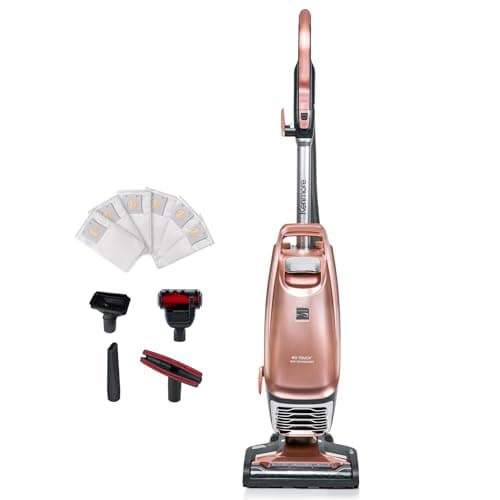
Guide
Bags cost money forever; emptying a bin puts dust back in the room. Which trade suits your household.
Top pick: Kenmore Intuition Bagged Upright
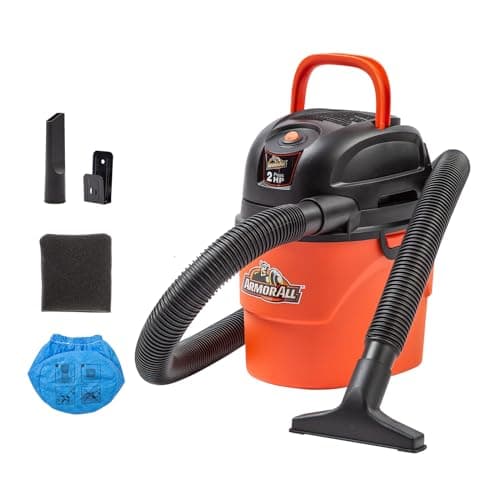
Guide
Why a dry vacuum must never pick up liquid, which machines publish a wet rating, and the right one for a spill, a damp floor or soaked carpet.
Top pick: Armor All 1.5-Gallon 2 Peak HP Wet/Dry Vacuum (AA155)
#ad Price as of October 17, 2026. How we are funded
On hard floors and low-pile rugs, yes — the published figures and the physical design both support it. On deep pile carpet the honest answer from the spec sheets is that a 180 W cordless motor and an 800-1,200 W corded upright with a driven brushroll are not doing the same job. We have not tested either, and we are not going to pretend the numbers say something they do not.
Because they are rated the same way: at the handheld unit, in the lowest power mode, usually with no powered floor head attached. Shark states this qualifier openly on its listings. It is not dishonest, but it does mean the figure describes a configuration you will rarely clean in.
The machine. A lithium cell has a finite cycle life, and most brands in this band do not publish a cycle rating. When it fades, a removable-battery machine takes a new cell; a sealed one is replaced entirely. The Shark IZ362H and the Tikom V500 both publish removable batteries.
No. Pa measures sealed static pressure and every manufacturer measures it differently without publishing the method. Air watts, which Dyson publishes for the V11 Origin at 185 AW, are closer to a comparable unit — but almost nobody else in this price band publishes them.
Using the U.S. average residential electricity price of 18.34 cents per kWh, a 1,200 W upright run 45 minutes a week costs about $25.75 over three years. Electricity is never the expensive part of owning a vacuum — filters, bags and batteries are.